01 — Background
When I started as marketing director for Reed & Mackay, attribution and lead qualification were inconsistent.
There was no clear, shared definition of what constituted a Marketing Qualified Lead (MQL), and reporting did not reliably reflect marketing’s contribution to pipeline.
At the same time, the business had a $65M revenue target for FY26 and needed a more focused strategy to support enterprise growth in the legal and finance sectors.
02 — The challenge
Marketing activity existed — but alignment did not.
• MQL definitions varied across teams
• Attribution was inconsistent
• Pipeline visibility was limited
• Channel mix skewed toward broad email engagement rather than high-intent interactions
To support enterprise revenue growth, marketing needed to shift from volume to qualification.
02 — The strategy
Clarifying qualification + attribution
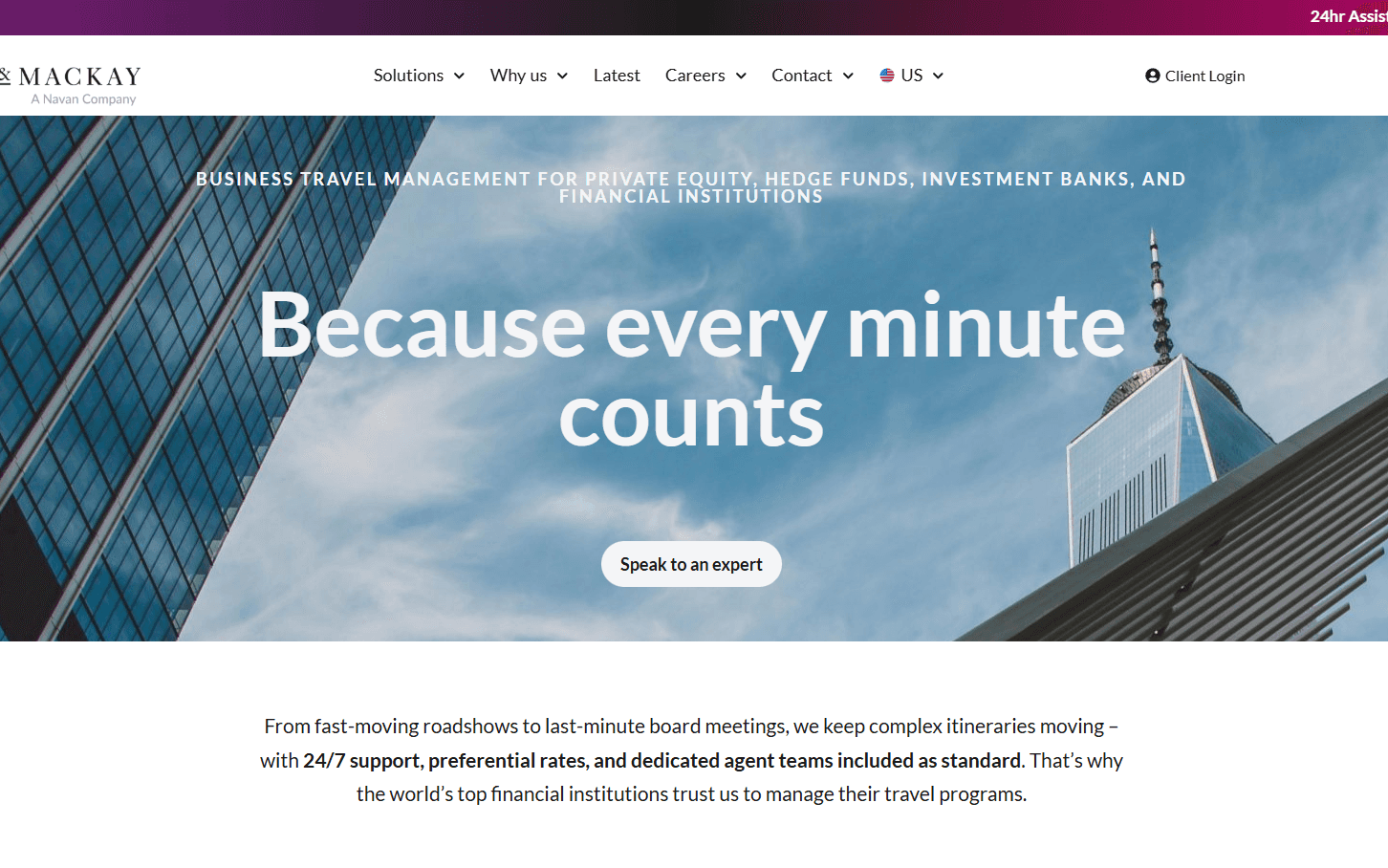
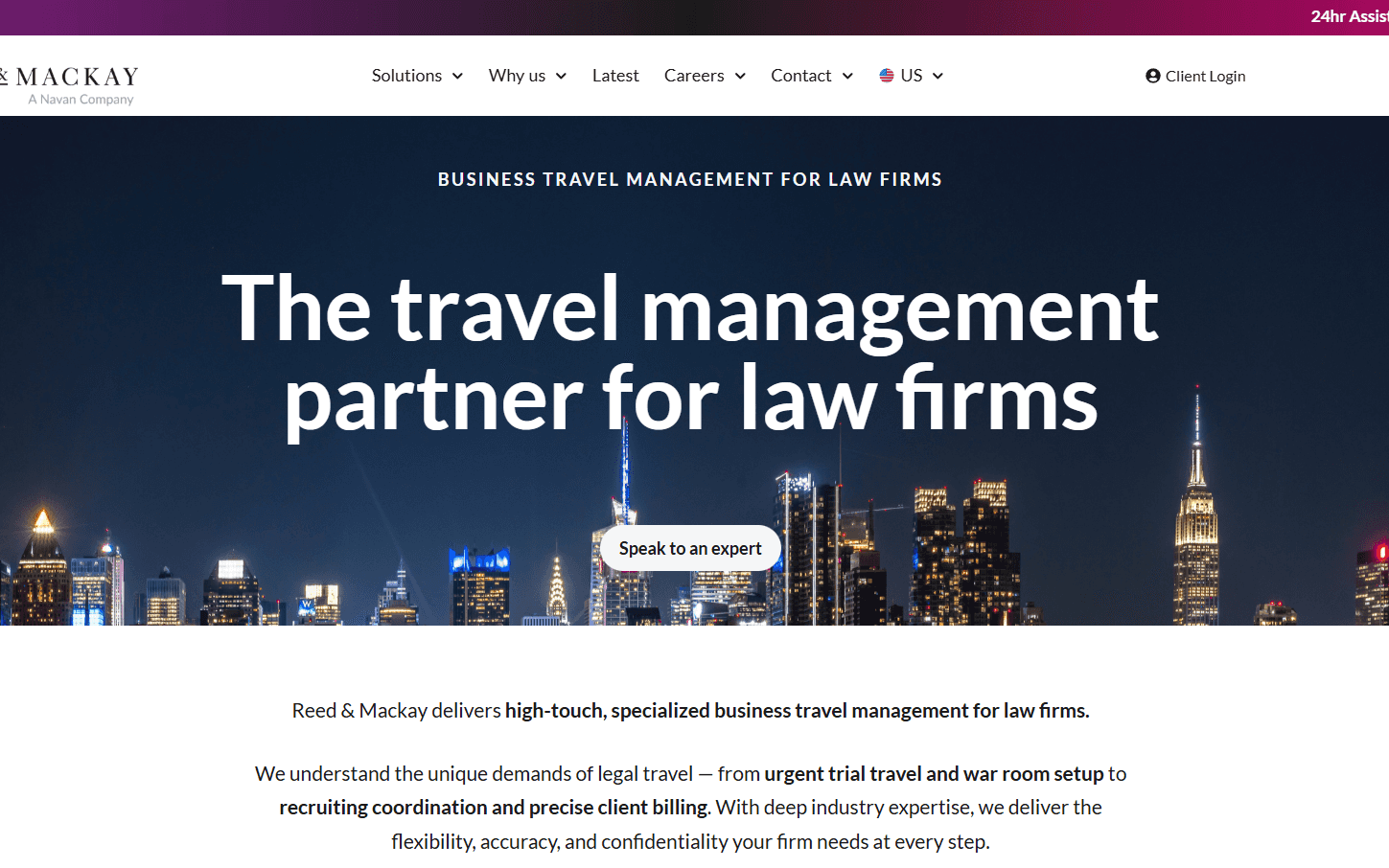
I partnered with sales leadership to refine MQL criteria around our Ideal Customer Profile (ICP), specifically targeting legal and finance organizations.
The revised model prioritized:
• Company fit within target verticals
• Role relevance
• Engagement depth
• More robust qualifying data collection
While total MQL volume decreased, lead quality and alignment improved significantly.
Strengthening pipeline visibility
We restructured reporting to create clearer attribution and funnel tracking, improving transparency between marketing and sales and enabling more informed decision-making.
Rebalancing channel mix
Based on performance data and rep feedback, we shifted investment away from broad email engagement toward curated hosted events and targeted industry conferences.
Email remained part of the mix, but we prioritized:
• In-person relationship-building
• High-intent audience segments
• Targeted landing pages aligned to ICP verticals
03 — Results
The refined approach strengthened pipeline performance and alignment:
• 35% MQL-to-opportunity conversion
• 25% opportunity-to-close rate
• Improved qualification depth and ICP alignment
• Greater marketing contribution visibility
By prioritizing alignment over volume, marketing supported high-value enterprise pipeline growth aligned to the $65M revenue target.
35%
MQL-to-opportunity conversion
25%
opportunity-to-close rate